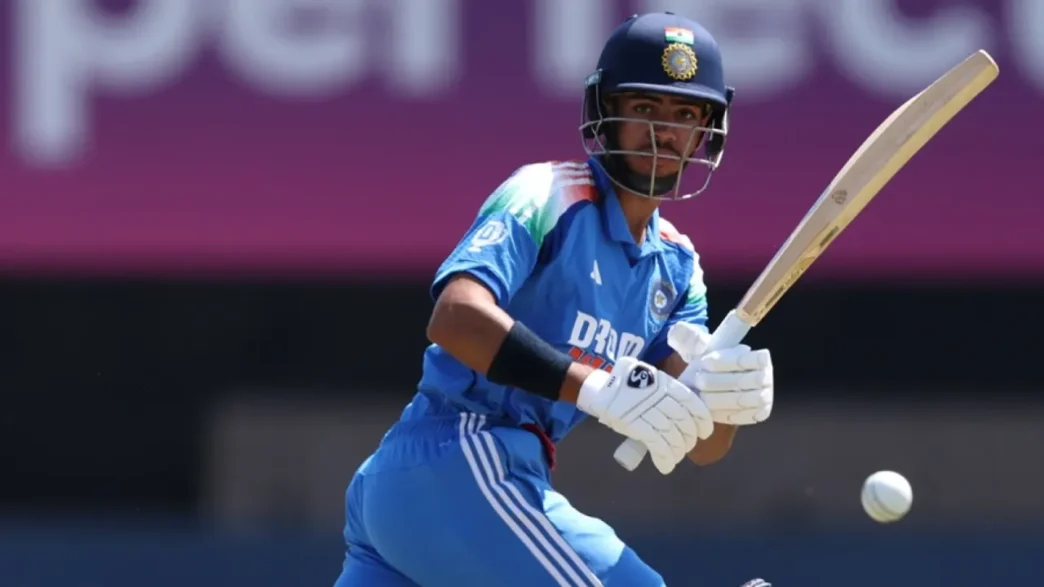
Youth cricket, especially at the Under-19 level, is a whole different ball game compared to senior cricket. Jab baat aati hai high-pressure matches ki, jahan ek solid partnership tootne ke baad pura game palat sakta hai, wahan psychological momentum shifts ka role bahut bada hota hai. India Under-19 ka recent collapse, after a strong 133-run stand, is a perfect example. Ek moment tak sab kuch set tha, aur phir ek jhatke mein batting line-up gir gayi. Ye psychological unraveling young players ke liye ek badi challenge hai, kyunki unke paas senior players jaisa experience nahi hota pressure handle karne ka. Let’s dive into is topic ko aur explore karein ke kaise momentum shifts affect karte hain young cricketers ko, aur kya coaching interventions isse mitigate kar sakte hain.
Momentum Shifts aur Young Minds
Young cricketers, especially teenagers, emotionally aur mentally zyada vulnerable hote hain. Jab ek strong partnership, jaise 133-run stand, toot jati hai, toh confidence ekdum se dip kar sakta hai. Ye ek chain reaction trigger karta hai – ek wicket girta hai, pressure badhta hai, aur phir ek ke baad ek wickets girne lagte hain. Senior players ke paas experience hota hai to bounce back, lekin Under-19 players ke liye ye sudden shift overwhelming ho sakta hai. India U-19 ke case mein, jab partnership tooti, England ke openers ne shayad is mental lapse ka faida uthaya. Aggressive body language, smart field placements, ya phir constant chatter se unhone pressure aur badha diya hoga. Young batters, jo already apne confidence ke saath struggle kar rahe hote hain, aise situations mein panic kar sakte hain.
Psychological Factors at Play
Youth cricket mein mental resilience kaafi kam hoti hai. Ek bada partnership tootne ke baad, players ke dimaag mein self-doubt aa sakta hai. “Ab kya hoga?” ya “Main bhi out ho jaunga” jaisi soch dominate karne lagti hai. Iske alawa, opposition ka aggressive approach – jaise England ke openers ka attacking batting ya fielders ka tight positioning – young players ke liye aur intimidating ho sakta hai. Ye sab factors combine hoke ek psychological collapse ka reason banta hai. Under-19 level pe, jahan players abhi bhi apni mental toughness develop kar rahe hote hain, ye momentum shifts game ka rukh palat dete hain.
Coaching Interventions: Kya Kaam Kar Sakta Hai?
To tackle this, coaches need to step up with targeted mental conditioning. Real-time interventions zaroori hain. For example, jab ek bada partnership toot-ta hai, coaches players ko sideline se quick mental reset techniques sikha sakte hain. Visualization exercises, jahan players imagine karte hain ke woh pressure situations mein calmly play kar rahe hain, kaafi effective ho sakte hain. Teenagers ke liye, ye techniques simple aur relatable hone chahiye – jaise “imagine you’re playing a gully cricket match, no pressure.” Iske alawa, mindfulness practices, like deep breathing ya focus exercises, help kar sakte hain players ko present moment mein rakhne ke liye.
Coaches bhi team dynamics pe kaam kar sakte hain. Ek strong team culture, jahan players ek doosre ko support karte hain, collapses ko rokne mein help karta hai. Senior players ya mentors ko involve karke, young cricketers ko pressure situations ke liye prepare kiya ja sakta hai. England ke openers ke aggressive approach ke against, coaches Indian batters ko sikhaye ke kaise opposition ke tactics ko read karna hai aur uska counter karna hai. For instance, agar fielders aggressive positions mein hain, toh batters ko defensive play ya shot selection pe focus karna sikhaya ja sakta hai.
England’s Tactical Advantage
England ke openers ne shayad India ke collapse ke baad psychological advantage liya. Aggressive body language, quick runs, aur tight field placements se unhone Indian batters pe pressure banaya. Ye tactics youth cricket mein kaafi effective hote hain, kyunki young players inhe easily intimidate ho jate hain. Coaches ko apne players ko iske liye prepare karna chahiye – jaise opposition ke sledging ya aggressive fielding ko ignore karne ki practice. Mental conditioning sessions mein, players ko role-plays ke through aise situations face karne ki training di ja sakti hai.
Long-Term Solutions
Long-term mein, mental resilience build karne ke liye structured programs chahiye. Sports psychologists ko Under-19 teams ke saath regular sessions conduct karne chahiye. In sessions mein, players ko self-talk techniques, handling failure, aur staying calm under pressure sikhaya ja sakta hai. Iske alawa, simulated high-pressure scenarios during practice matches bhi help karte hain. For example, coaches ek scenario create kar sakte hain jahan ek big partnership ke baad wickets girne lagte hain, aur players ko usse deal karna sikhaya jaye.
Conclusion
Youth cricket mein psychological momentum shifts ka impact bada hota hai, aur India U-19 ka collapse iska ek clear example hai. Young players ke liye, sudden pressure aur confidence drops handle karna tough hota hai. Lekin, agar coaches real-time mental conditioning, visualization techniques, aur team bonding pe focus karein, toh ye collapses kam ho sakte hain. England ke openers jaisa aggressive approach bhi ek learning point hai – Indian coaches ko apne players ko aise tactics ke against prepare karna hoga. End mein, mental toughness ek skill hai jo develop ki ja sakti hai, aur Under-19 level pe ispe kaam karna zaroori hai to produce future stars jo pressure mein bhi shine karein.
Subscribe
0 Comments
Oldest